
One small tag.
A way back to care.
A finder scans the tag with the camera already in their hand, and the animal's profile opens — vaccination badges, care notes and a way to send a sighting. No app to download, no account to create, nothing to order from anyone.
- Free to print
- Reprint as often as you like
- Nothing to order
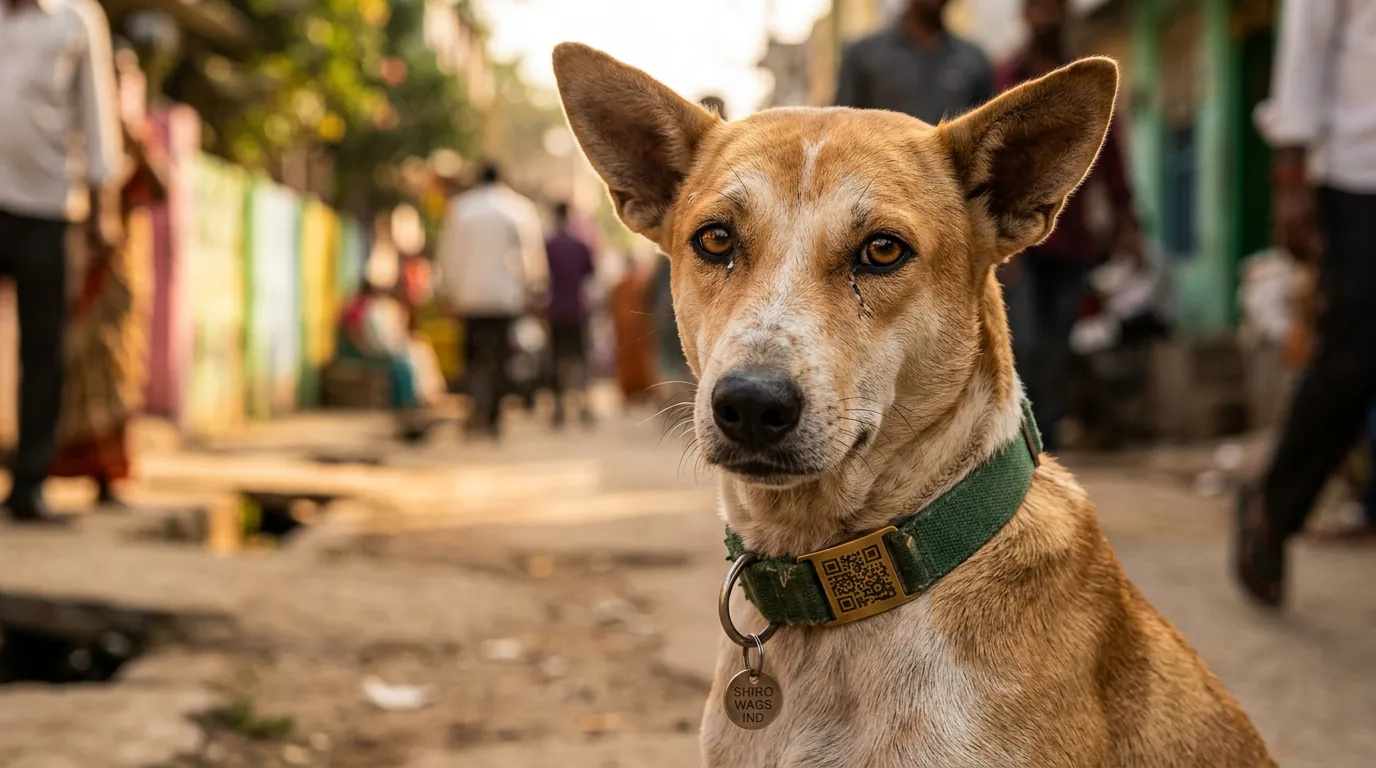
One print sheet, two pieces, any number of animals.
Open an animal's record and the print sheet lays out everything. Both pieces encode the same permanent profile link, so it does not matter which one ends up on the animal.
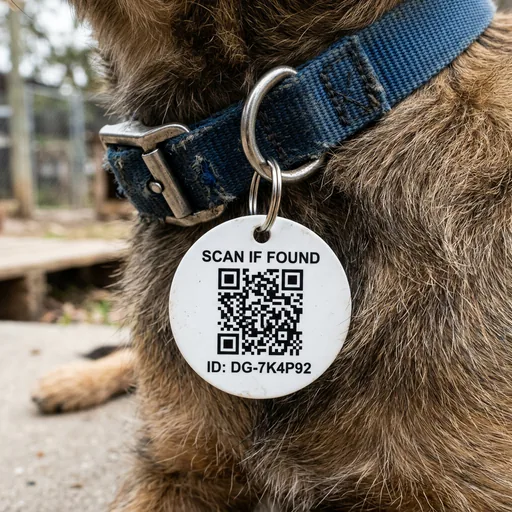
1. Collar charm
A circular tag, 2.5 inches, printed front and back: the animal's photograph and name on the front, the QR code and a contact number on the back. Cut and punch it, or laminate it for monsoon weather.
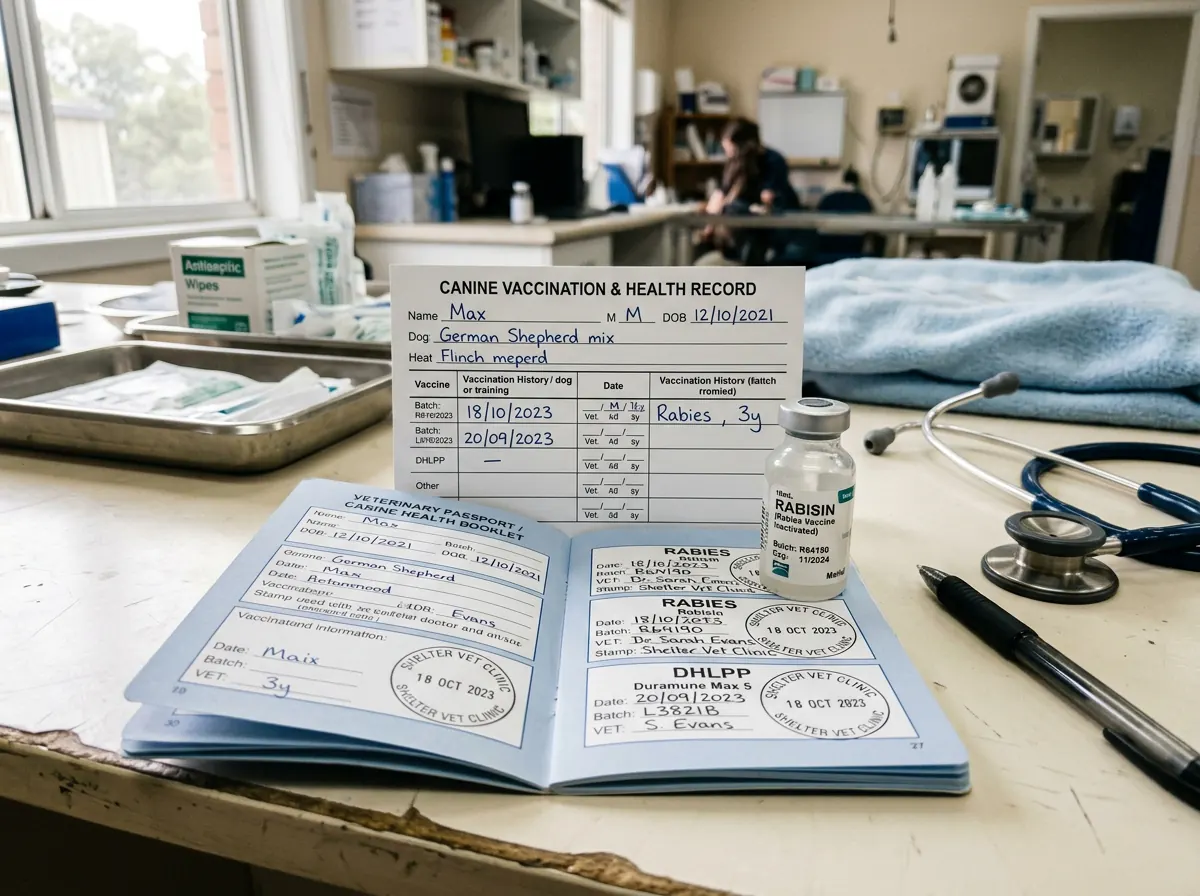
2. Wallet-size ID card
A CR80 card, 3.375 by 2.125 inches: photograph, name, guardian, emergency number, microchip and city, with the QR code. This is the paper passport, with a scan built into it.
Record a QR collar tag, bird leg band or passport card against an animal. The printable sheet produces a collar charm and wallet card; attaching a tag format does not manufacture hardware.
A public profile, not a login wall.
The point of the tag is that it works for someone who has never heard of you and will not create an account.
- The photograph, name, species and breed
- Summary badges such as vaccinated and sterilised
- Care notes, when the team publishes them
- A call option when contact details are published
- A form to send a sighting with their own location
What stays private
- Full medical history and batch numbers
- Internal notes and the audit log
- Staff accounts and internal roles
- Other people's sighting reports
- Anything the team has not published
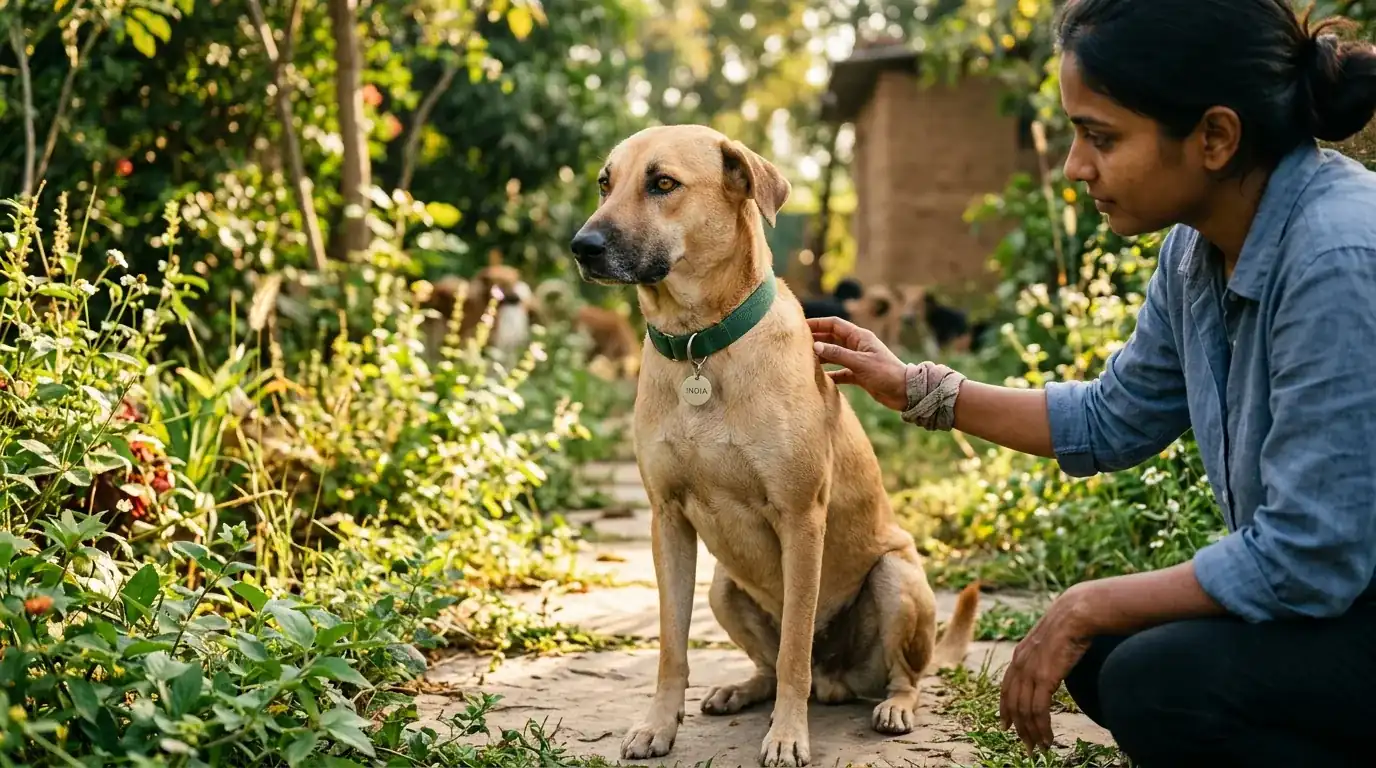
approx. 5 years · male
A number stops working. A profile keeps working.
A phone number on a tag
- Works only while that number is answered
- Says nothing about the animal's health
- Cannot be updated when a keeper changes
- Leaves a finder with no way to report back
A PraniID tag
- Opens the animal's record, updated as care continues
- Shows whether the animal is vaccinated and sterilised
- Points at the animal, not at a person, so it survives a change of keeper
- Gives the finder a sighting form and the team a reply channel
From keepers and shelters
Do you post tags to us, or do we print them?
You print them. Open the animal's record and use the print sheet, which lays out a collar charm front and back and a CR80 wallet-size ID card. There is nothing to order and nothing to wait for.
What if the tag falls off or fades in the rain?
Print another one. The QR encodes the animal's permanent public link rather than the tag, so a reprint resolves to the same profile. Printing is not counted and there is no quota.
What can a finder actually see?
Only what your team publishes: the photograph, the name, the species and breed, and summary badges such as vaccinated or sterilised. Contact details appear when the record publishes them, and always for stray and community animals.
Do we have to use tags on every animal?
No. Records work without a tag. Tags are what make an animal findable once it is outside your gate, so they are most useful on animals that go out: adopters, community animals and fosters.